Storm-Season Roof Maintenance Checklist for the Gulf Coast
A storm season roof maintenance checklist Gulf Coast homeowners can run before hurricane season - plus the warning signs that mean it's time to call a pro.
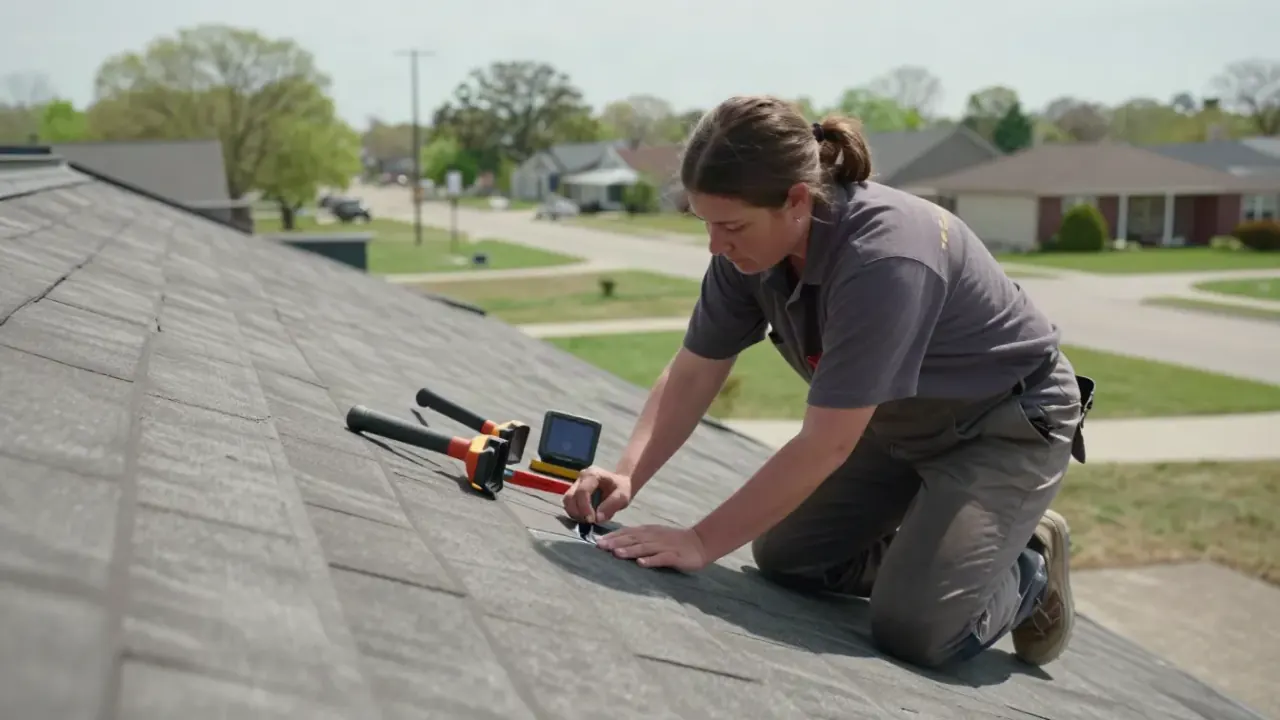
Storm season roof maintenance checklist Gulf Coast homeowners use is simple: inspect the roof in late spring, clear every drain and gutter, reseal exposed fasteners and flashing, trim overhanging limbs, and document the roof's condition with photos before the first named storm. That single routine prevents most of the leaks we get called out for in Baytown once the rain starts sideways.
Below is the exact checklist our crews run on Baytown roofs, plus the warning signs that mean you should stop and call someone before the next system rolls in off the Gulf.
Why the Gulf Coast Storm Season Is Hard on Baytown Roofs
Baytown roofs take a beating that inland Texas roofs simply do not, because we sit between Galveston Bay and the ship channel with almost no elevation to break the wind. A tropical system that drops 8 to 12 inches of rain in 24 hours will find every nail pop, every dried-out pipe boot, and every hairline crack in your flashing.
Add the heat. Attic temperatures in Baytown routinely climb past 140°F between June and September, and that thermal cycling works sealant loose year after year. Asphalt shingles that would last 20 years in Dallas often show granule loss and curling at 12 to 15 years here. If you've watched a ceiling stain spread after a storm, that's usually the sequence - a small failure up top, then water finding the path of least resistance down into your drywall.
We handle a lot of Roof Leak Repair Baytown TX calls in the 48 hours after a named storm passes, and the pattern is always the same: the leaks that cause the most damage were preventable in May.
When Should You Inspect Your Roof Before Hurricane Season in Baytown TX?
Inspect your roof in April or early May, before the Atlantic hurricane season officially opens on June 1, and again in late August at the peak of the season. Two inspections a year is the minimum for a coastal Texas roof - one to prep, one to verify nothing shifted during the first round of storms.
If a tropical storm or hurricane has already brushed the area, add a third walk-around within a week of the all-clear. Wind damage often hides in plain sight: a lifted ridge cap, a shingle tab flipped backward, a bent gutter apron. None of those leak immediately. They leak three weeks later when the next front pushes water under them.
Homeowners in older neighborhoods like Goose Creek Roof Leak Repair territory tend to have roofs that have already been through several storm cycles, so we recommend they check after every significant wind event, not just twice a year.
The Storm Season Roof Maintenance Checklist
This is the roof maintenance checklist for coastal Texas we hand to customers. Work top to bottom, and take photos as you go - you'll want them for insurance if a storm does hit.
- Clear the roof surface. Remove leaves, pine needles, and any debris piled behind chimneys or in valleys. A handful of debris in a valley is enough to dam water and push it under shingles.
- Check the flashing. Look at every chimney, wall, and vent penetration. Rusted, lifted, or cracked flashing is the number one source of storm leaks we find.
- Inspect pipe boots and vents. The rubber collar around a plumbing vent dries out and splits after 8 to 10 years in Gulf Coast sun. If it's cracked, it will leak in the first hard rain.
- Look at shingle condition. Check for missing tabs, curling edges, exposed nails, and bald spots where granules have washed away.
- Examine valleys and low-slope sections. These areas hold water longer and fail sooner than the rest of the roof.
- Clear gutters and downspouts. A clogged gutter sends water straight to your fascia and foundation. Test flow with a hose.
- Seal exposed fasteners. Any nail head or screw that's visible should get a dab of roofing sealant.
- Trim tree limbs. Keep branches at least 6 feet off the roof. In a 60 mph wind, a limb that looks clear will scrape shingles.
- Check attic and ceilings. Look for new stains, damp insulation, or daylight coming through the roof deck.
- Photograph everything. Date-stamped photos of a sound roof are gold when you file a claim.
How to Prepare Your Roof for Hurricane Season in Texas
Preparing for hurricane season in Texas goes beyond a visual inspection - you're hardening the roof against wind uplift and water intrusion at the same time. The two biggest wins are sealing every penetration and making sure the roof deck is fastened tight.
Start with the penetrations. Chimneys, skylights, and plumbing vents are where wind-driven rain gets in first. If your chimney flashing is original to the house, it's likely due for replacement. We do a lot of Chimney Leak Repair Baytown TX work in the weeks before June 1 for exactly that reason.
Skylights are the other weak point. A skylight that's 15 years old has a dried-out seal and a frame that's flexed through hundreds of heat cycles. Resealing it now costs a fraction of what it costs to replace the drywall and insulation underneath after a storm. Our Skylight Leak Repair Baytown TX service is mostly resealing and re-flashing - quick work when it's done before the rain.
If your roof is flat or low-slope - common on additions, garages, and some commercial buildings around Baytown - check the membrane for blisters, ponding, and open seams. Standing water is the enemy. A Flat and Low-Slope Roof Leak Repair Baytown TX inspection will catch a failing seam before it turns into a ceiling stain.
Finally, if your roof is older but still structurally sound, a reflective coating can add a layer of waterproofing and cut attic heat at the same time. We apply Roof Sealing and Coating Baytown TX on roofs that need one more season of protection before replacement makes sense.
Common Mistakes We See on Baytown Roofs
The most common mistake is waiting until water is dripping through the ceiling to look at the roof. By then, the leak has usually been active for weeks and the damage is inside the house, not on top of it.
Other mistakes we see every storm season:
- Caulking over a failed flashing instead of replacing it. Sealant buys you a few months. It does not fix the underlying gap.
- Ignoring the attic. The attic tells you what the roof is doing. Damp insulation, rusted nail tips, and dark streaks on rafters are all early warnings.
- Pressure-washing shingles. It strips granules and shortens roof life. Use a leaf blower or a soft brush.
- Skipping the gutters. A roof that drains properly lasts longer. Water backing up under the shingle edge rots the fascia and deck.
- Assuming insurance will cover maintenance. Most policies cover storm damage, not wear and tear. Documenting a maintained roof actually helps your claim.
One more: don't send anyone onto the roof during or right after a storm. Wet shingles and 30 mph gusts are how people get hurt. Wait for dry conditions.
When to Call a Professional
Call a professional when you see any of these: an active drip inside the house, a ceiling stain that's growing, missing or torn shingles after a storm, or flashing that's visibly lifted or rusted through. Those are not DIY fixes - they're signs the roof has already failed somewhere.
We also get calls from homeowners who simply don't want to walk a two-story roof in July heat. That's a good reason to call, too. Our team at Baytown Roof Leak Repair inspects the roof, finds the actual source of the leak, and fixes it - we don't sell you a full replacement when a targeted repair will do.
If you're in one of the newer subdivisions off Garth Road or near the refineries, we're in your area regularly. Homeowners in Country Club Oaks Roof Leak Repair territory often have roofs in the 12-to-18-year range that are just now showing their first storm-season problems.
Frequently Asked Questions
How do I prepare my roof for storm season?
Inspect it in April or May, clear all debris and gutters, reseal flashing and pipe boots, trim overhanging limbs, and photograph the roof's condition. If you find cracked sealant, missing shingles, or rusted flashing, repair those before June 1. That routine covers 90% of what storm season throws at a Baytown roof.
What should be on a roof maintenance checklist?
A solid checklist covers the roof surface, flashing at every penetration, pipe boots and vents, shingle condition, valleys and low-slope areas, gutters and downspouts, exposed fasteners, tree clearance, and a look inside the attic for stains or damp insulation. Add date-stamped photos so you have a record before any storm.
When should I inspect my roof before hurricane season in Baytown TX?
Inspect in April or early May, before the June 1 start of hurricane season, then again in late August at the season's peak. If a named storm passes nearby, do a third check within a week of the all-clear. Two to three inspections a year is right for a coastal Texas roof.
How much does a pre-storm roof inspection cost in Baytown?
Typical 2026 pricing for a residential roof inspection in the Baytown area runs $150 to $350, and many local roofers credit that fee toward the repair if work is needed. A full flashing reseal or pipe boot replacement usually adds $200 to $600 depending on how many penetrations the roof has.
Can I pressure-wash my roof before storm season?
No. Pressure-washing strips the protective granules off asphalt shingles and shortens the roof's life by years. Use a leaf blower, a soft brush, or a garden hose on low pressure to clear debris. If the roof has algae or heavy staining, have it treated professionally instead.
Get Help With Roof Leak Repair in Baytown
If your checklist turned up cracked flashing, a missing shingle, or a stain on the ceiling, don't wait for the next storm to make it worse. We'll inspect the roof, find the source, and fix it before the rain gets in.
Call Baytown Roof Leak Repair at (281) 306-5579 to schedule your pre-storm inspection or storm damage repair.